
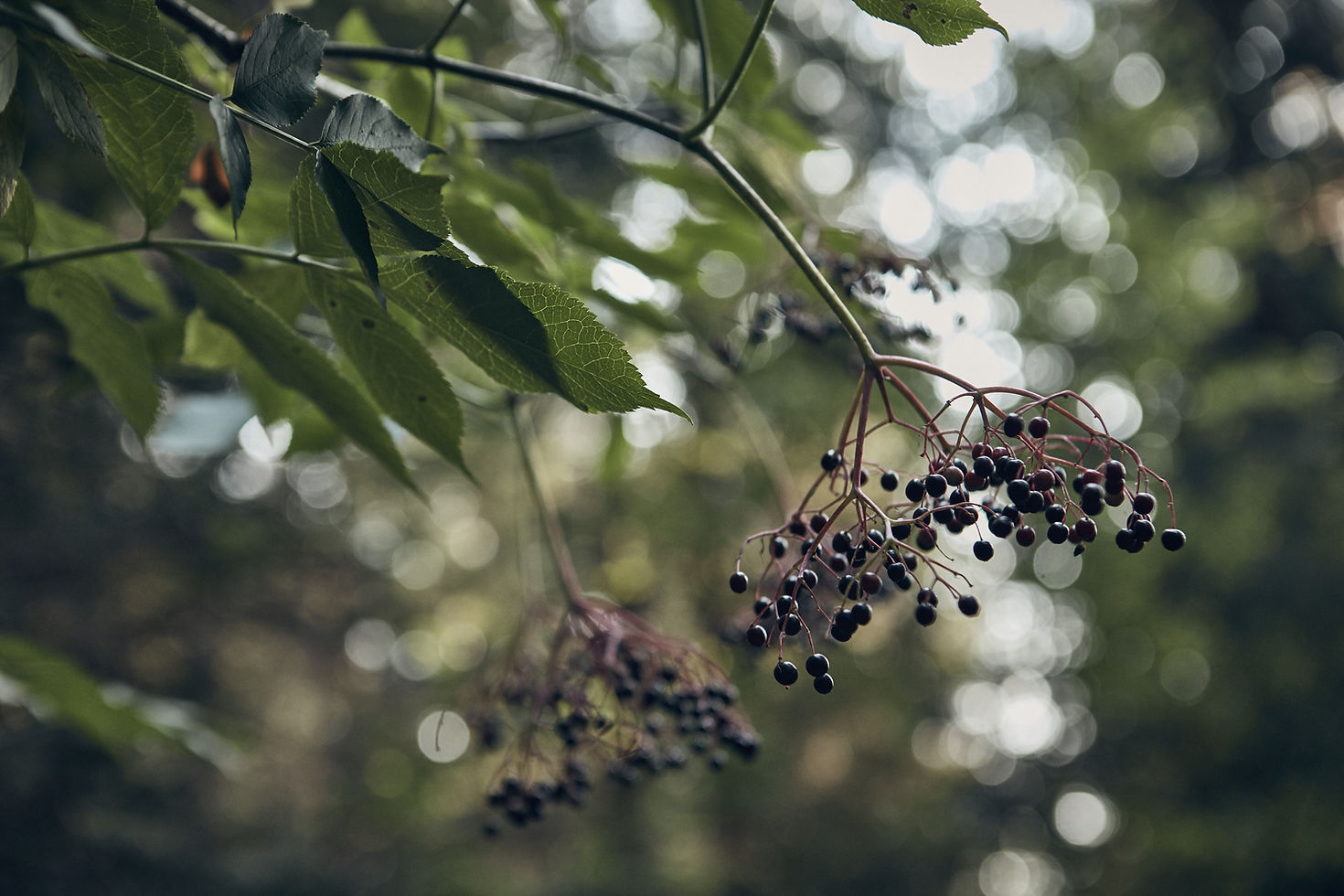
More On Food In Nature

Here's more information on food in nature:
*Wild Edibles*:
1. Fruits: berries, wild apples, pears
2. Greens: dandelion, wild spinach, kale
3. Mushrooms: chanterelle, morel, oyster
4. Nuts: walnuts, almonds, hazelnuts
5. Roots: burdock, sunchokes, sweet potatoes
*Foraging Tips*:
1. Identify plants correctly
2. Avoid contaminated areas
3. Harvest sustainably
4. Be mindful of seasonal availability
5. Cook or dry for preservation
*Nutritional Benefits*:
1. High in antioxidants
2. Rich in fiber and vitamins
3. Good source of minerals
4. Supports immune system
5. Promotes overall well-being
*Seasonal Foods*:
*Spring*:
1. Wild garlic
2. Morel mushrooms
3. Fiddlehead ferns
4. Wild onions
5. Dandelion greens
*Summer*:
1. Berries (strawberries, blueberries)
2. Stone fruits (peaches, plums)
3. Wild greens (dandelion, kale)
4. Corn
5. Squash
*Autumn*:
1. Mushrooms (chanterelle, oyster)
2. Nuts (walnuts, hazelnuts)
3. Roots (burdock, sunchokes)
4. Apples
5. Pears
*Winter*:
1. Citrus fruits
2. Root vegetables (carrots, beets)
3. Winter squash
4. Kale
5. Dried or preserved foods
*Indigenous Foods*:
1. Wild rice
2. Buffalo berries
3. Camas root
4. Chokecherries
5. Smoked fish
*Foraging Resources*:
1. Field guides (e.g., "Wild Edibles" by Sergei Boutenko)
2. Online forums (e.g., Foraging subReddit)
3. Local workshops and classes
4. Foraging apps (e.g., PlantSnap)
5. Expert guides and mentors
*Safety Considerations*:
1. Correct identification
2. Avoid poisonous lookalikes
3. Check for contamination
4. Be mindful of allergies
5. Consult experts or medical professionals
Would you like more information on:
- Specific wild edibles
- Foraging techniques
- Nutritional benefits
- Seasonal food guides
- Indigenous food systems
Or would you like recommendations on:
- Field guides
- Online resources
- Local workshops
- Foraging apps
Let me know!


Comments